
Path dependency means that what is possible now depends on the sequence of choices that came before, not just on the situation as it stands today. An early decision, even a small or convenient one, can open up certain options going forward while quietly closing others off for good.
This is related to domains of stability and tipping points, though the emphasis is different. Those two ideas focus on the moment a system settles into a state or crosses a threshold. Path dependency looks further back than that single moment, at how an entire sequence of earlier choices, not just one threshold, shapes which options are even available now. If you want to look at the threshold moment specifically, we wrote about that separately in Tipping Points: What They Actually Mean.
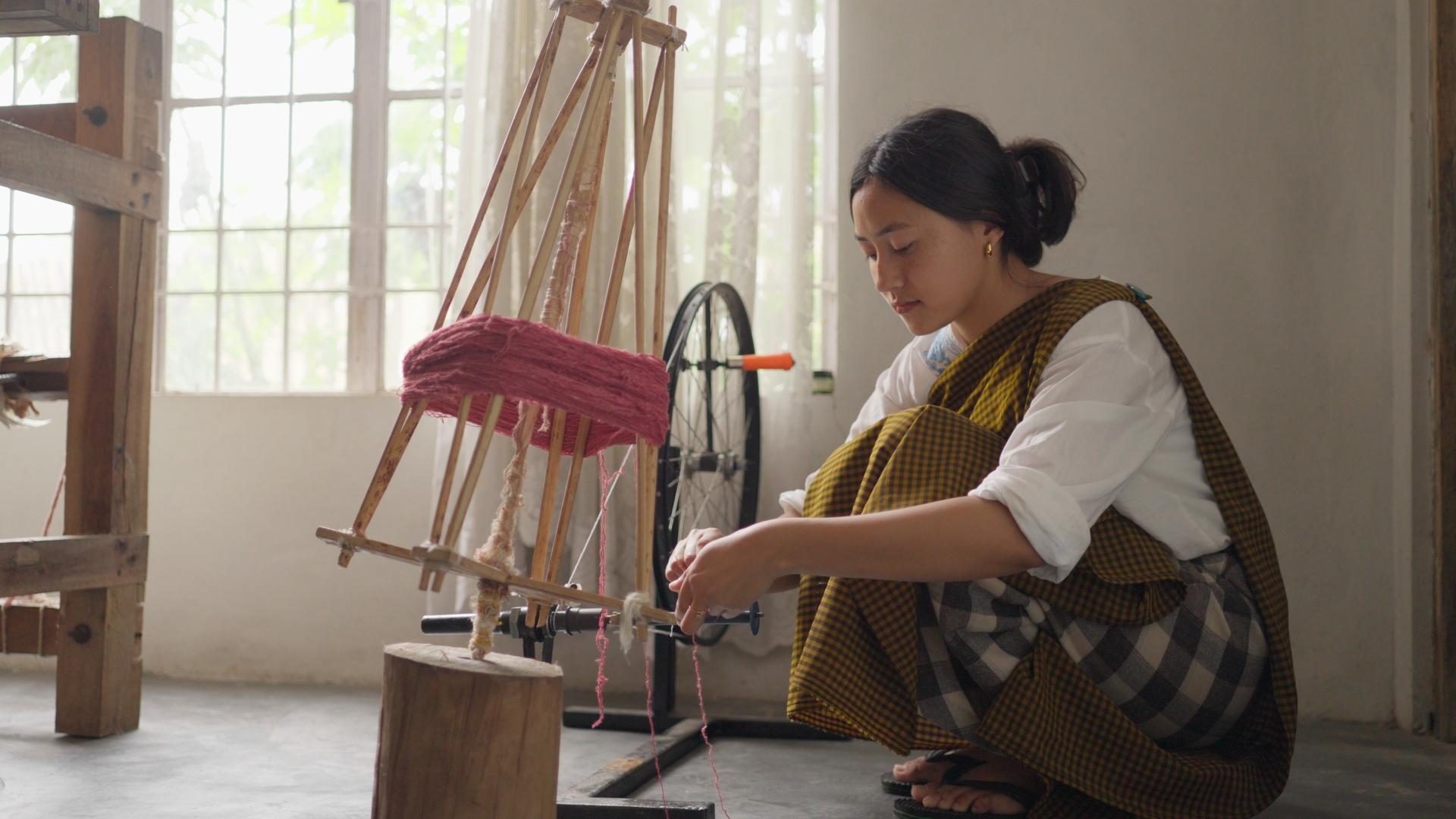
We described a version of this before, without naming it path dependency. In Why Some Problems Refuse to Be Solved: Wicked Problems, we wrote about MOSONiE's early decision to stay a bridge between the community, the bank, and the market, rather than becoming the owner of the whole Eri silk system itself. That first choice shaped everything that came after. Local technicians were trained to maintain the machines instead of routing every repair through one organisation. Lyndah grew into a trainer rather than staying a single point of dependency. None of the later options open to the ecosystem existed independently of that early decision. A different first choice would have locked the whole system onto a different, more fragile path.
Where You'll See It

The same pattern shows up in systems that have nothing to do with each other:
Origami. The very first fold made in a sheet of paper decides which final shapes are even possible. Once that fold is made, whole categories of shapes are ruled out for good, no matter how carefully you fold from there.
The first organisation chosen to lead a new programme. Whichever group gets asked to run it first tends to shape who else joins later, which partners get invited, and which get left out, often for years afterward.
Which side of the road a country drives on. Once vehicles, roads, and habits are all built around driving on one side, switching to the other would mean changing an enormous number of interconnected things at once, so almost nobody ever does.
The One Thing People Get Wrong About It
It is easy to assume that path dependency means a system is stuck forever once a choice is made. That is not quite right. It means that changing course costs more than the original choice did, not that changing course is impossible. Lock-ins shift when the underlying costs and benefits shift enough to make switching worth it, even after it looked impossible for a very long time before that point.
A path that looks permanent usually just means nobody has found a reason strong enough to leave it yet.

Key Takeaways
It is worth asking what paths we are already locked into. Some current limits exist not because they were designed that way, but because of a sequence of earlier choices nobody thinks to question anymore.
It is worth asking what paths our own actions might be locking others into. An early decision, even a small or convenient one, can end up shaping options for years after we have stopped thinking about it.
Lock-in usually comes from accumulated cost, not from anyone deciding the current path is best. Switching away from a path can look impossible mainly because so much has already been built around it, not because the path itself was ever the right one.
Lock-ins are not permanent, they are just expensive to leave. It is worth periodically asking which lock-ins might already be loosening, since the conditions that once made switching too costly do eventually change.
The next time something in your work feels impossible to change, it might be worth asking whether it is actually impossible, or just expensive to leave, and whether that cost is still what it once was.
How has path dependency shaped your work? Tell us in the comments!
Related reading: Tipping Points: What They Actually Mean · Domains of Stability: What They Actually Mean · Why Some Problems Refuse to Be Solved: Wicked Problems